Who is new Marseille president Stéphane Richard?
When Olympique de Marseille owner Frank McCourt unveiled Stéphane Richard at the Stade Vélodrome, the message was clear: Marseille are turning to experience at a moment of instability. But to understand why Richard has been chosen – and what his presidency might look like – it is necessary to look well beyond football, into a career that has unfolded at the highest levels of French business and state.
Richard, now 64, is a product of France’s elite administrative system, a graduate of the École Polytechnique and the École nationale d'administration (ENA), institutions that have shaped generations of the country’s political and corporate leadership. His early career was forged within the French civil service, where he built a reputation as a capable and pragmatic operator, notably serving in senior roles within the Ministry of Finance. This grounding in public administration is key: Richard is not simply a businessman, but a figure accustomed to navigating complex institutional environments, balancing political, economic, and social pressures.
That ability would define his move into the private sector. Richard first rose to wider prominence at Veolia Environnement, where he served as an executive and developed his credentials in managing large, multifaceted organisations. But it was his transition to France Télécom – later rebranded as Orange S.A. – that truly established his profile. Initially joining as chief of staff to then-CEO Didier Lombard, Richard was soon thrust into one of the most challenging periods in the company’s history.
By 2010, he had taken over as CEO amid a severe internal crisis that had deeply damaged the company’s image and morale. Orange was grappling with structural change, intense competition, and a widely publicised workplace crisis that had shaken public confidence. Richard’s tenure was defined by stabilisation. He oversaw a gradual rebuilding of trust within the company, restructured operations, and steered Orange through a rapidly evolving telecommunications landscape, including the expansion of digital services and international markets. While not without controversy, his leadership was widely credited with restoring a degree of equilibrium and credibility to one of France’s flagship corporations.
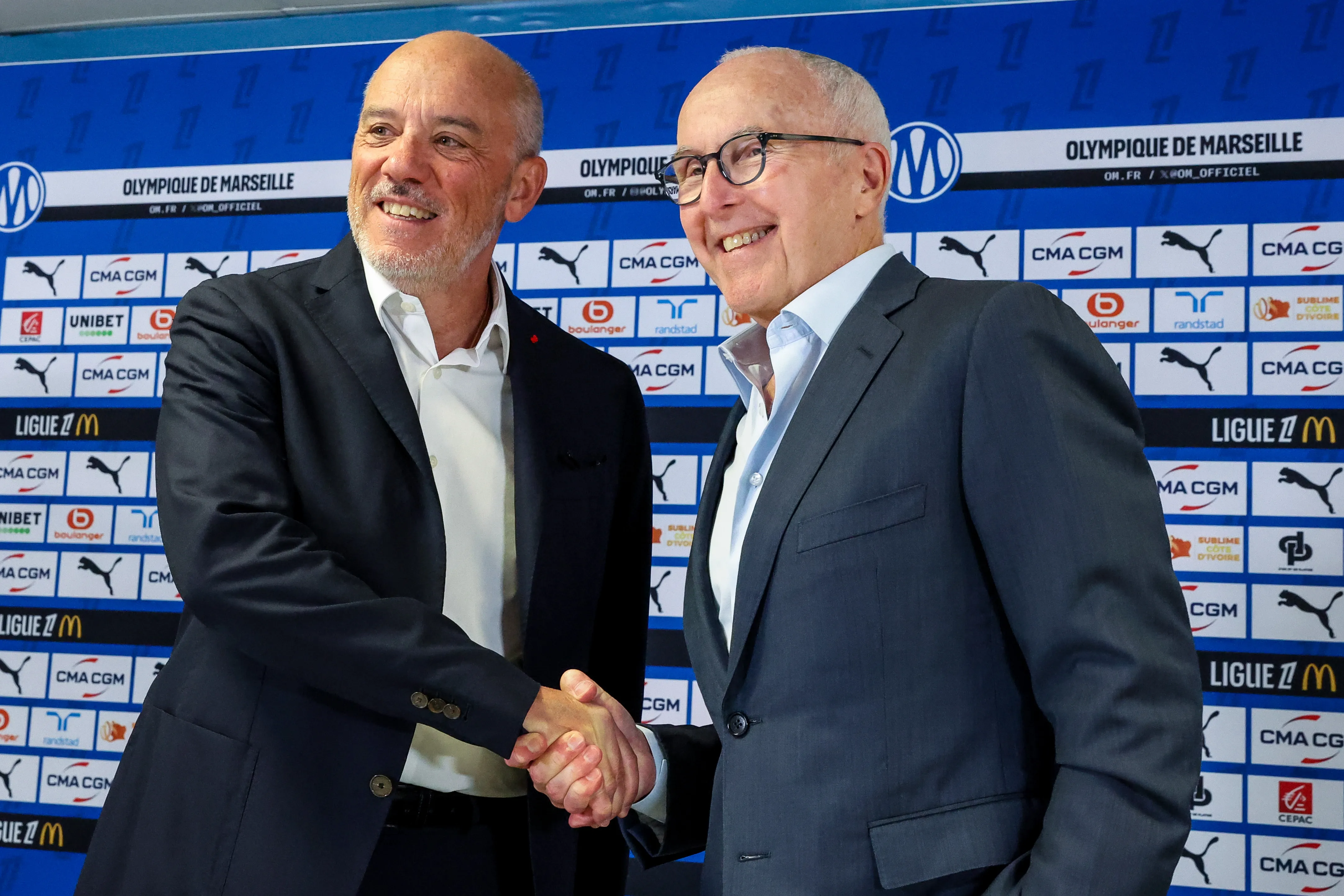
'The club is at a crossroads'
“The club is at a crossroads,” Richard said upon arriving in Marseille – a phrase that resonates strongly when viewed through the lens of his past. Time and again, his career has placed him in organisations at moments of tension or transition, with his role centred less on innovation than on restoring order and coherence. That profile aligns closely with Marseille’s current situation. The club has endured a turbulent 2026, marked by the departure of Roberto De Zerbi, inconsistent performances, and growing tensions with supporters. In that sense, Richard’s appointment is less about football expertise and more about governance.
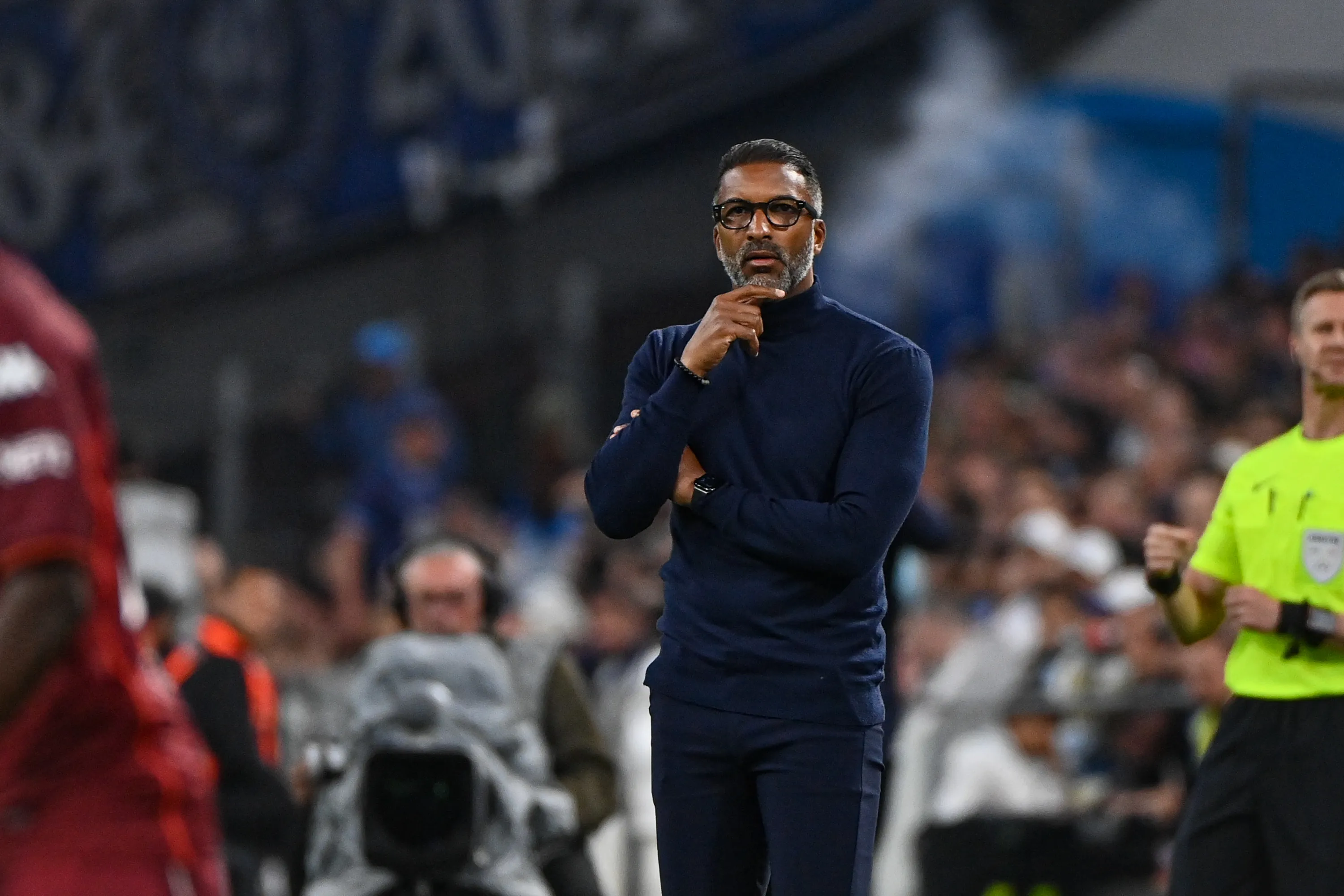
He has been open about that distinction. “I am not a technician of football, but I will involve myself in all aspects of the club,” he explained, positioning himself as an overseeing figure rather than a hands-on sporting architect. That approach also reflects his experience working alongside specialists, delegating operational control while maintaining strategic direction. It is a model that Marseille are now expected to replicate, particularly with Habib Beye leading the team on the pitch.
Yet Richard’s career has not been without its complexities. His time at Orange also included legal challenges linked to earlier business dealings, notably the long-running arbitration case involving businessman Bernard Tapie. While these episodes form part of his professional history, they also underline the reality that Richard is a figure accustomed to scrutiny and pressure – an attribute that may prove essential in the uniquely intense environment of Marseille.
Stability the priority for Marseille
What stands out most, however, is the consistency of his profile. Richard is not a visionary in the mould of a footballing innovator, nor a charismatic figurehead designed to inspire from the front. Instead, he is a stabiliser, a negotiator, and an institutional operator. His immediate priorities at Marseille reflect that. Rebuilding the fractured relationship with supporters is high on the agenda: “The supporters are an essential part of the club. There is frustration, even a form of disengagement. My goal is to rebuild that connection and bring people back together.” It is the language of mediation, not mobilisation.
On the sporting front, his stance is equally measured. Offering support to recently appointed coach Habib Beye, Richard emphasised patience: “He has just taken up his role. The objective is clear: to succeed in this end of the season, with the stakes linked to the Champions League. Let him work – he is doing so seriously. Each thing in its time.” Again, it is a reflection of his broader philosophy – prioritising structure and continuity over reactive change.
Ultimately, Richard’s appointment speaks to a wider strategy from McCourt. In a challenging financial context for French football, strengthening Marseille’s institutional credibility may be as important as results on the pitch. Richard’s stature, network, and experience could help position the club more favourably in discussions around investment and governance, making OM a more stable and “presentable” entity in an increasingly competitive landscape.
For Marseille, then, it is a recalibration. At a crossroads, the club have turned to a man whose career has been defined by navigating exactly these kinds of moments. The question now is whether the qualities that restored order in the corporate world can translate to the volatile, emotional ecosystem of football on the Mediterranean coast.
READ MORE:
>> UCL Preview: PSG head to Liverpool with semifinal spot on the line