Five legendary FC Lorient players
As FC Lorient celebrate their centenary, the club’s history naturally brings forward a select group of players who helped shape its identity across generations. From historic silverware to player development success stories, Lorient’s legacy is built on individuals who combined performance with symbolism—figures who either delivered unforgettable moments or used the club as a springboard to the very top of European football.
Kevin Gameiro – The ultimate goalscorer
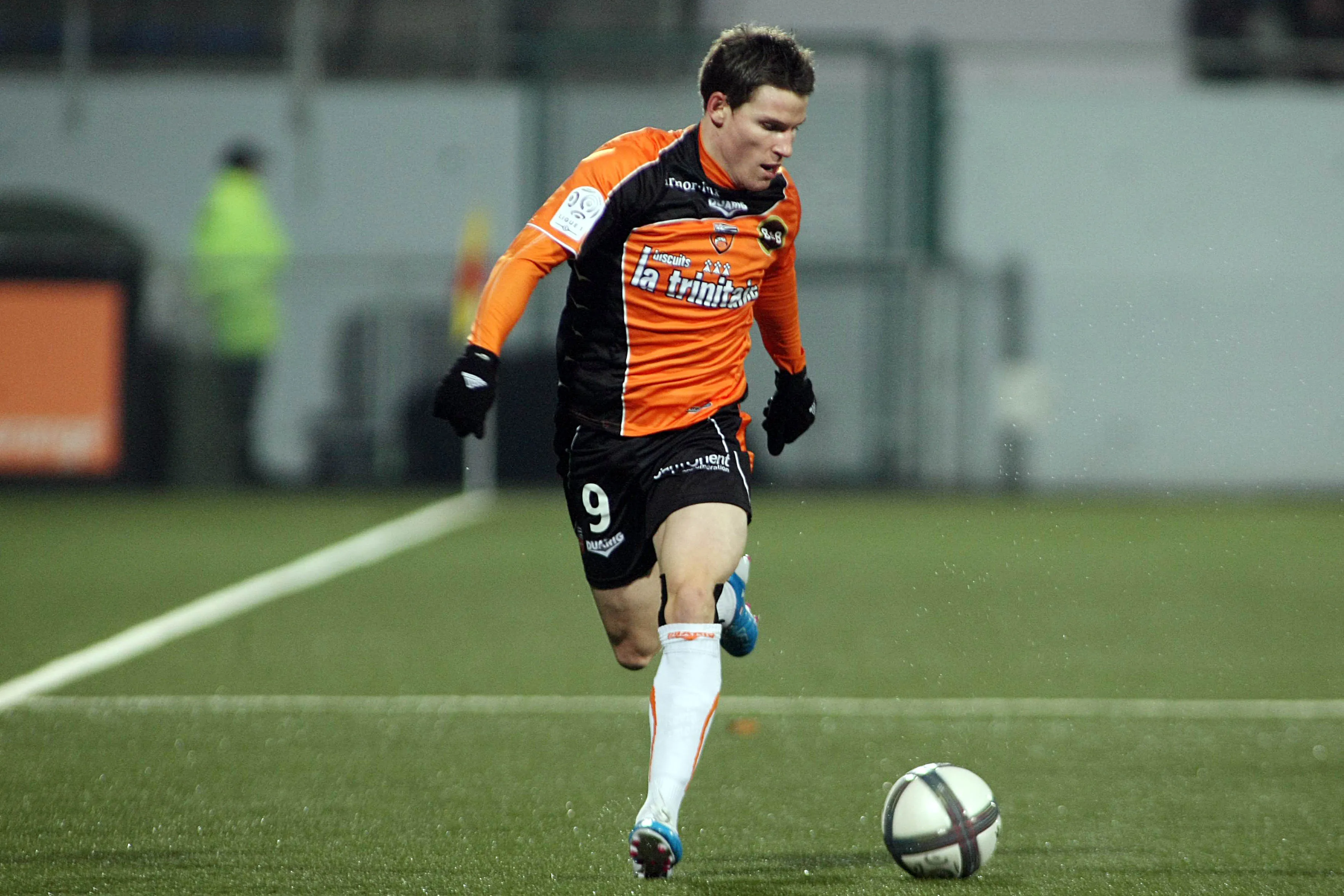
Kevin Gameiro remains Lorient’s most lethal attacking reference point, a striker whose progression perfectly mirrors the club’s rise in the modern era. Across three seasons, he improved year on year—netting 11, then 17, and finally 22 league goals—establishing himself as the club’s all-time top scorer in Ligue 1. His form was so compelling that Laurent Blanc had little choice but to hand him a France call-up in 2011, a rare honour for a Lorient player. Gameiro’s movement, finishing, and devastating partnership with Marama Vahirua encapsulated a period where Lorient combined attacking fluidity with efficiency. His legacy is clear: he is the benchmark for every forward who has followed at the club.
Jean-Claude Darcheville – The cult hero
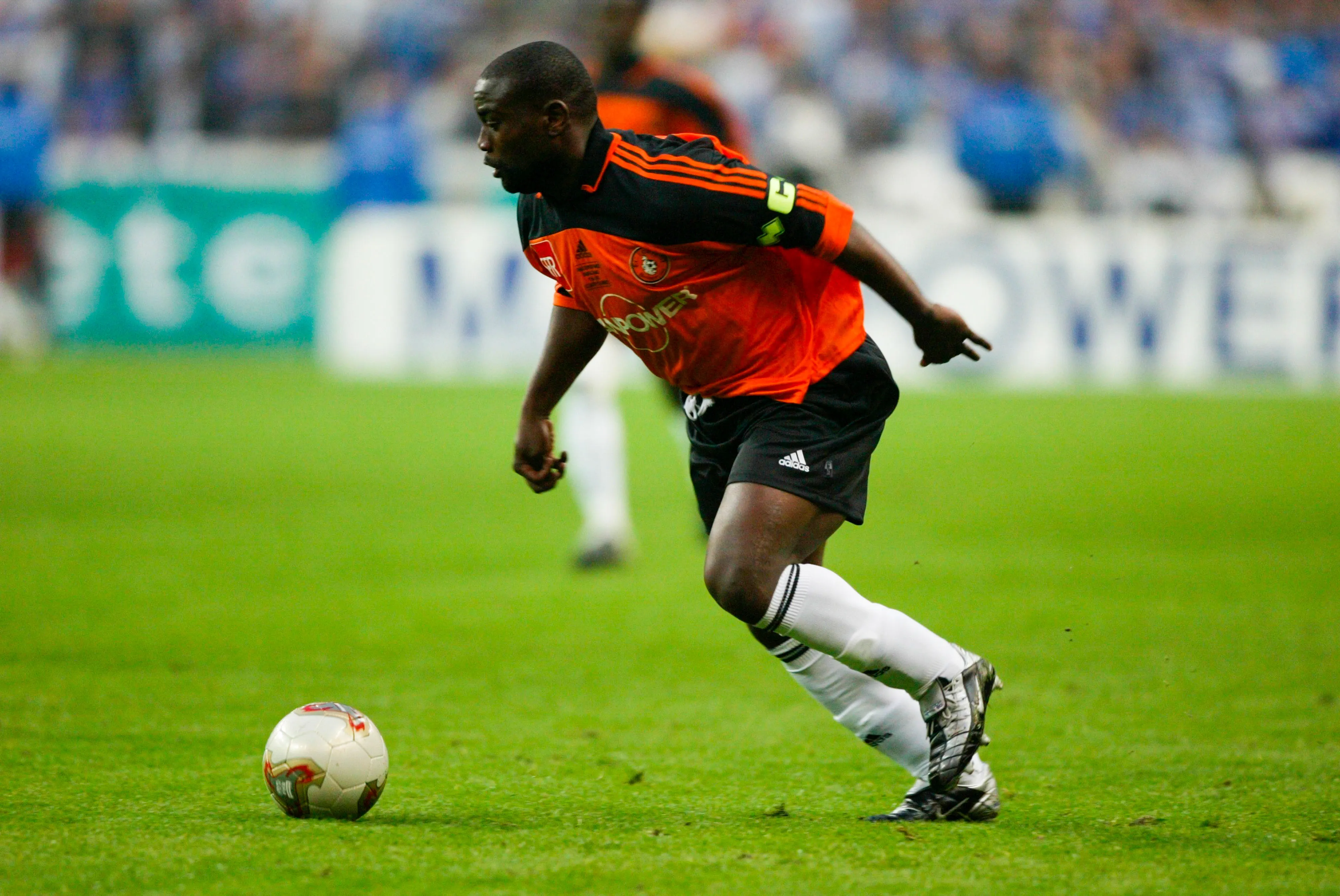
For many supporters, Jean-Claude Darcheville is Lorient. Arriving in 1999, he became the emotional and sporting leader of a side that would achieve the unthinkable—winning the 2002 Coupe de France Final. His iconic chipped goal in that final remains the most celebrated moment in club history, but his contribution extended far beyond one strike. With 25 goals in Ligue 2 and 19 in Ligue 1 during a relegation campaign, Darcheville consistently delivered, combining power with finesse. More than statistics, however, he embodied the connection between team and supporters, making him a lasting cult hero at the Moustoir.
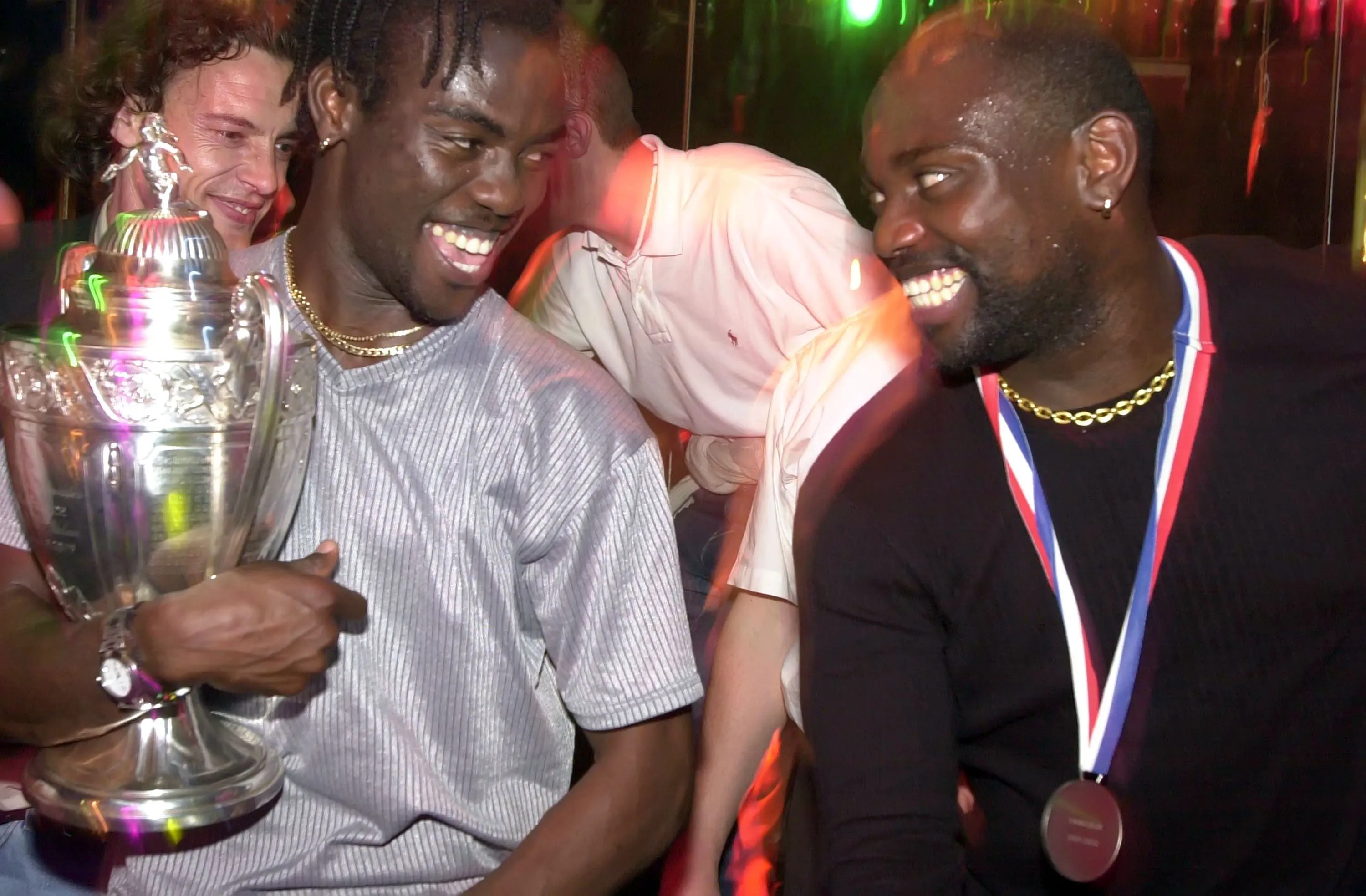
Seydou Keita – The future great forged in Brittany
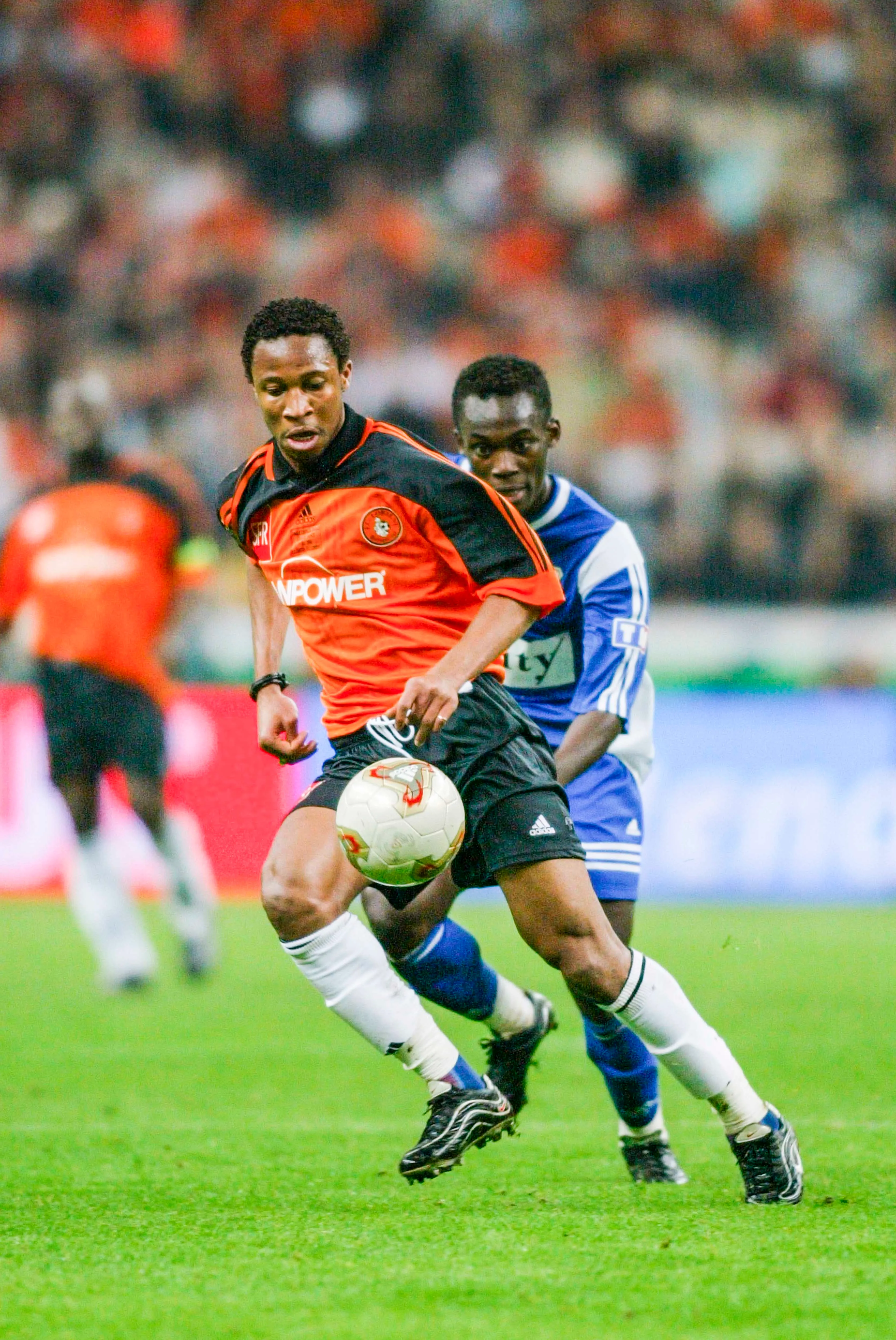
Before lifting major honours with Barcelona, Seydou Keita refined his game at Lorient under Christian Gourcuff. Initially arriving on loan, Keita quickly established himself as a dominant and intelligent presence in midfield, playing a crucial role in the club’s historic 2002 Coupe de France triumph. Though injuries limited his consistency, his impact was undeniable—he brought physicality, tactical awareness, and technical quality to the heart of the team. Keita’s subsequent career only reinforces Lorient’s reputation as a club capable of nurturing players who go on to achieve global success.
Laurent Koscielny – From Lorient to Arsenal captain
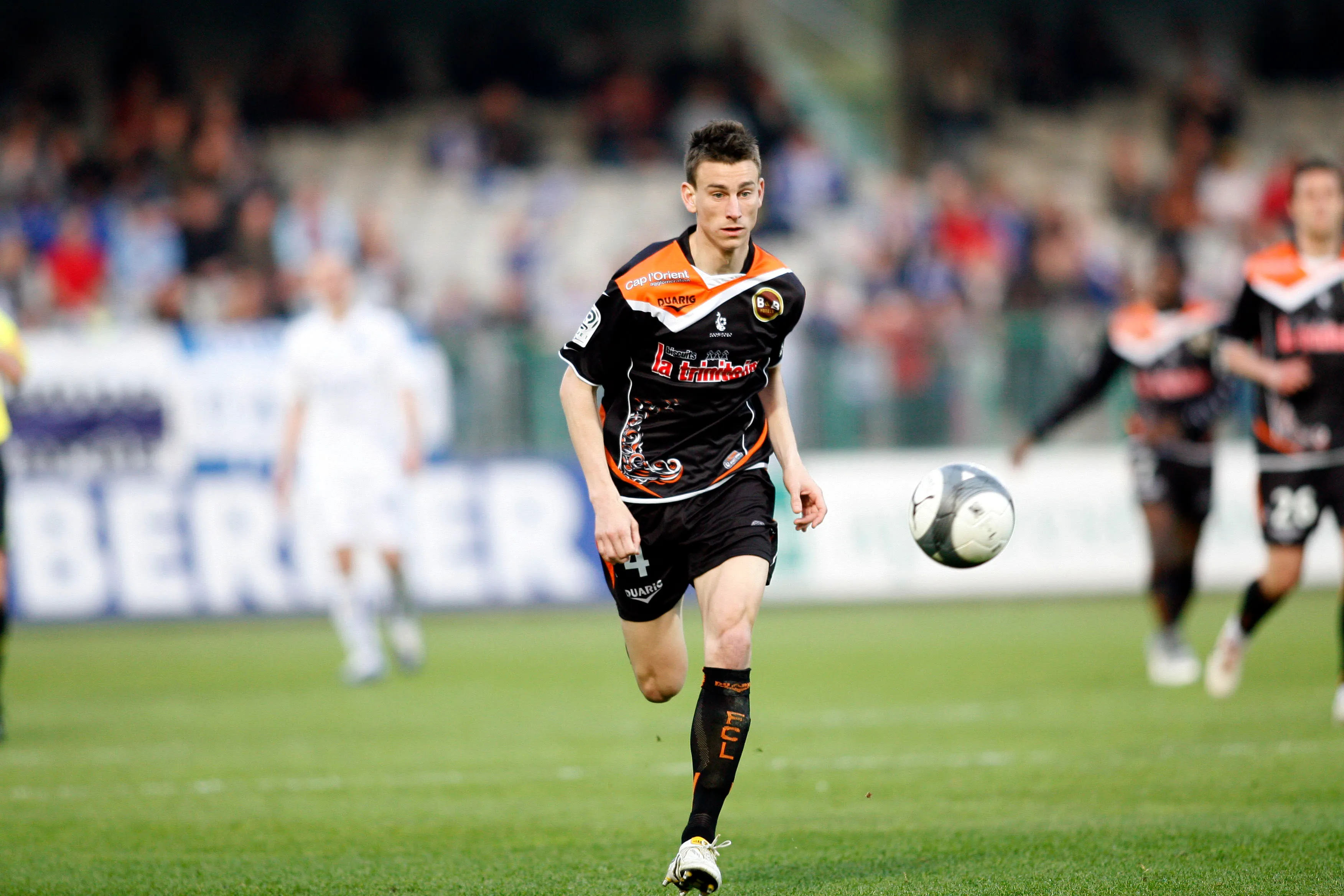
Laurent Koscielny perfectly illustrates Lorient’s role as a stepping stone to elite football. After just one outstanding season in 2009–10, he secured a move to Arsenal FC, where he would become captain and one of the Premier League’s most consistent defenders. His rise from Ligue 1 revelation to international regular—with 51 caps for France—highlights both his individual quality and Lorient’s ability to showcase talent on a bigger stage. Even in a brief spell, Koscielny left a lasting imprint as one of the club’s most successful exports.
Pascal Feindouno – The magician of 2002
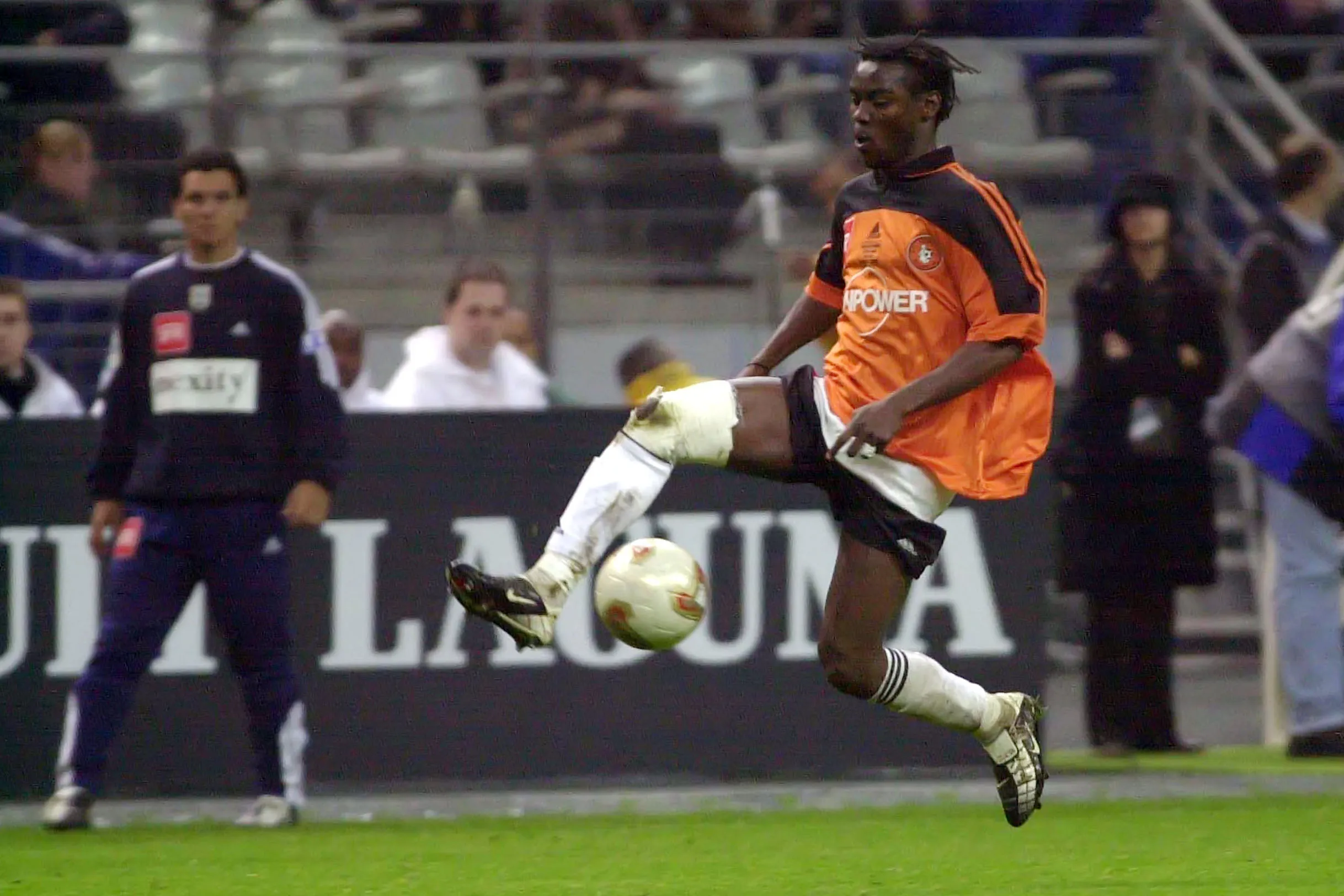
Loan spells rarely define a club’s history, but Pascal Feindouno is a notable exception. During the 2001–02 season, he provided the creative spark behind Lorient’s greatest achievement, linking brilliantly with Darcheville in a partnership that blended flair and efficiency. His dribbling, vision, and unpredictability made him the attacking heartbeat of the team, and his influence was instrumental in the Coupe de France triumph. Feindouno’s time at Lorient may have been short, but its impact was profound—he remains synonymous with the club’s most magical campaign.
READ MORE:
>> FC Lorient celebrate centenary in style at the Moustoir