From Clairefontaine to California: The Growing Ligue 1–MLS Connection
France didn’t just pass their March test in the United States, they reinforced something that has been building quietly for years. Wins over Brazil in Boston and Colombia in Washington closed the final international window before the 2026 FIFA World Cup, but more importantly, they took place in an environment that already feels deeply familiar to French football.
For Didier Deschamps, this was less about discovery and more about validation. Validation of a squad — with players like Marcus Thuram and Rayan Cherki stepping up — but also validation of a wider ecosystem. Because the United States is no longer a distant World Cup host. It is a space where Ligue 1 has already left its mark.
That connection is not new. From Thierry Henry’s era-defining spell with the New York Red Bulls to the current impact of Denis Bouanga at Los Angeles FC, French-trained players have consistently shaped Major League Soccer. Others, like Didier Drogba and Blaise Matuidi, helped elevate standards and shift perceptions during their spells with Montreal Impact and Inter Miami CF.
Thierry Henry — The benchmark setter
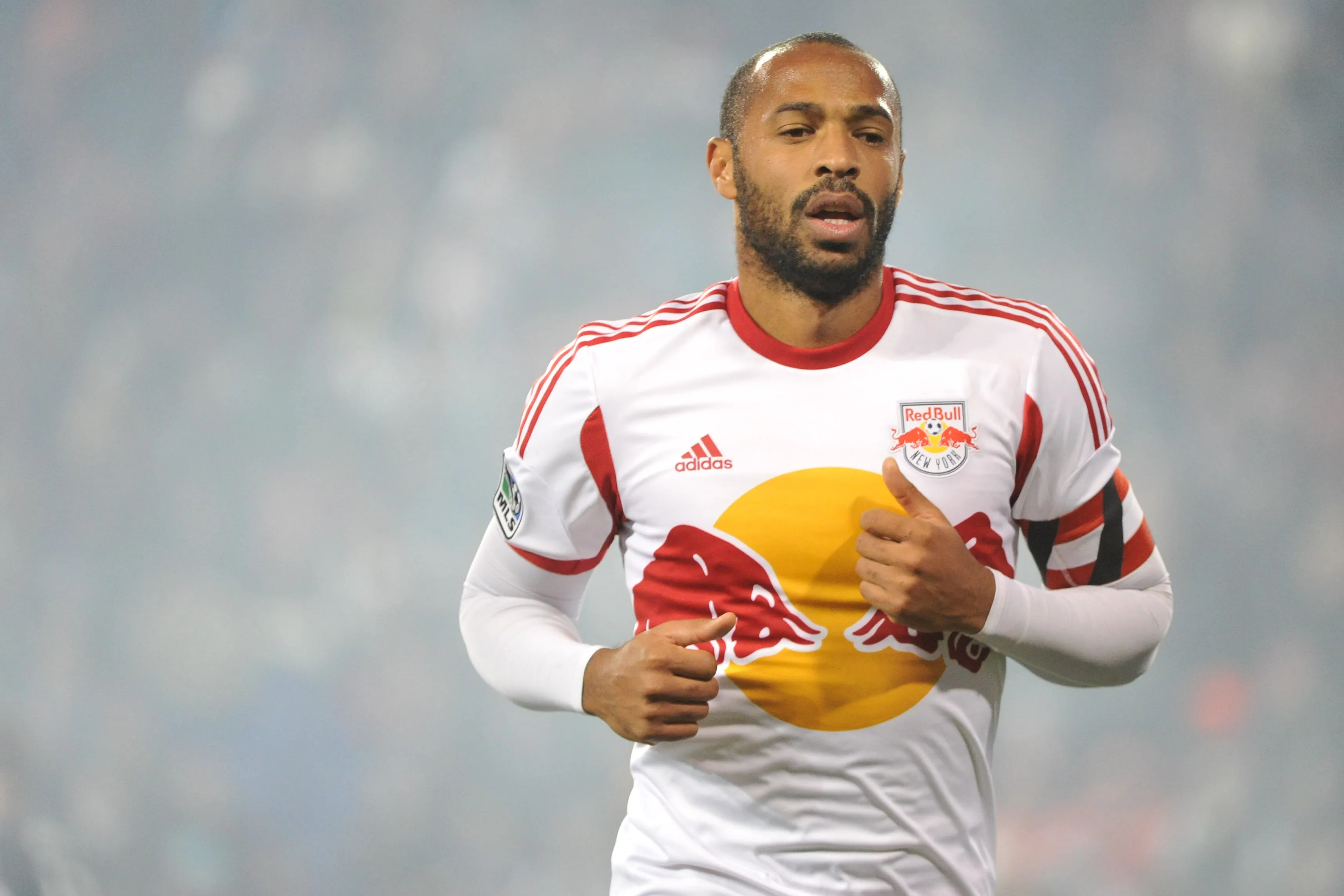
Henry’s spell with the New York Red Bulls between 2010 and 2014 remains the reference point. He delivered 51 goals and 42 assists in 122 MLS regular season appearances, but the raw output only tells part of the story. Henry dictated tempo, dropped into midfield to create, and effectively acted as both playmaker and finisher. He didn’t adapt to MLS — he reshaped it, raising technical expectations and proving that a Ligue 1-developed profile could dominate stylistically as well as statistically.
Didier Drogba — The elite finisher
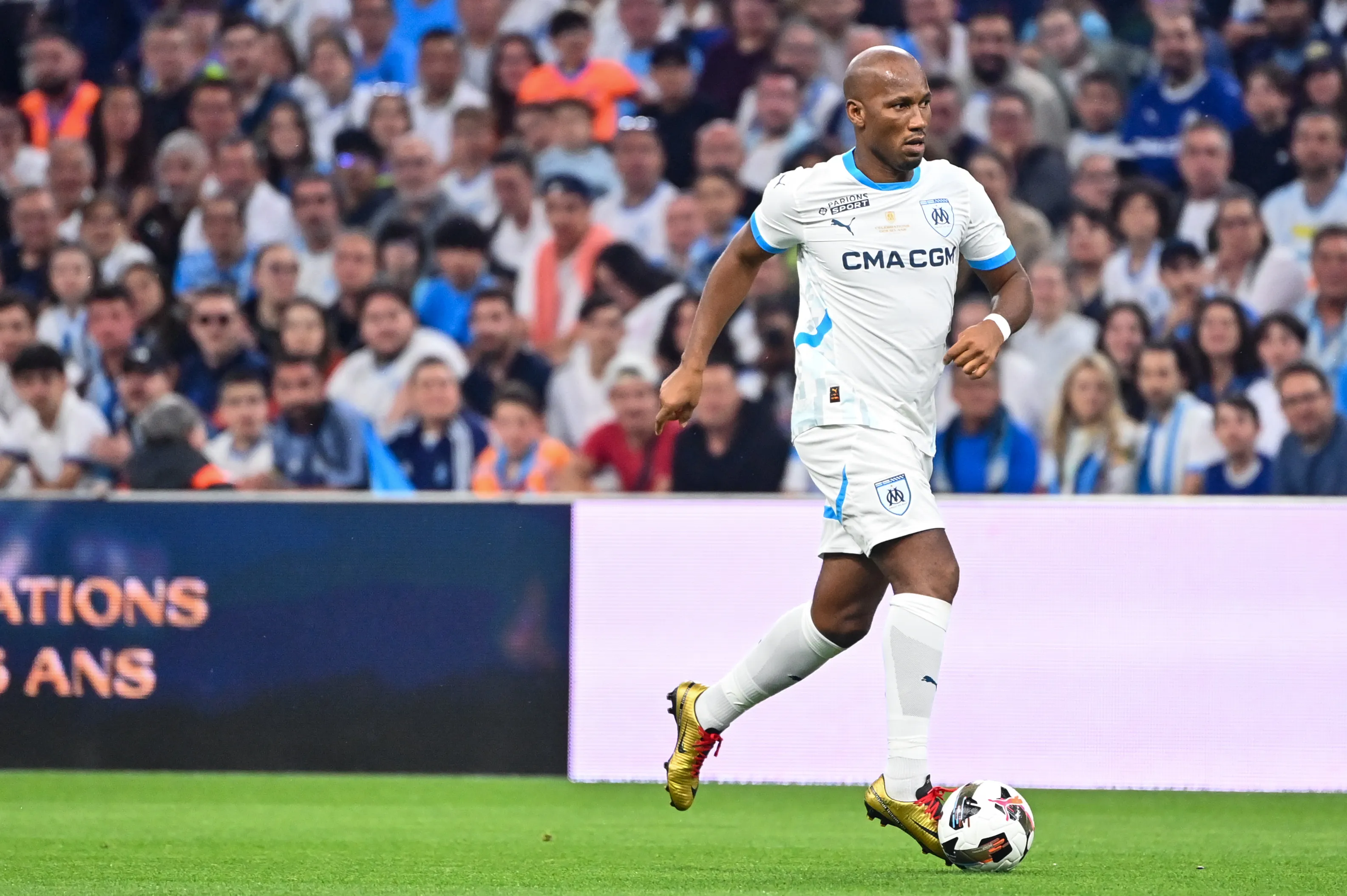
Drogba’s impact at Montreal Impact was immediate and brutally efficient. Across 33 regular season matches, he scored 21 goals, averaging 0.64 goals per game. His physicality, combined with sharp movement in the box, made him almost unplayable during stretches of the 2015 season. This was Ligue 1 striking DNA in its purest form — direct, powerful, decisive — translating seamlessly into MLS’ open, transition-heavy matches.
Blaise Matuidi - Midfield maestro
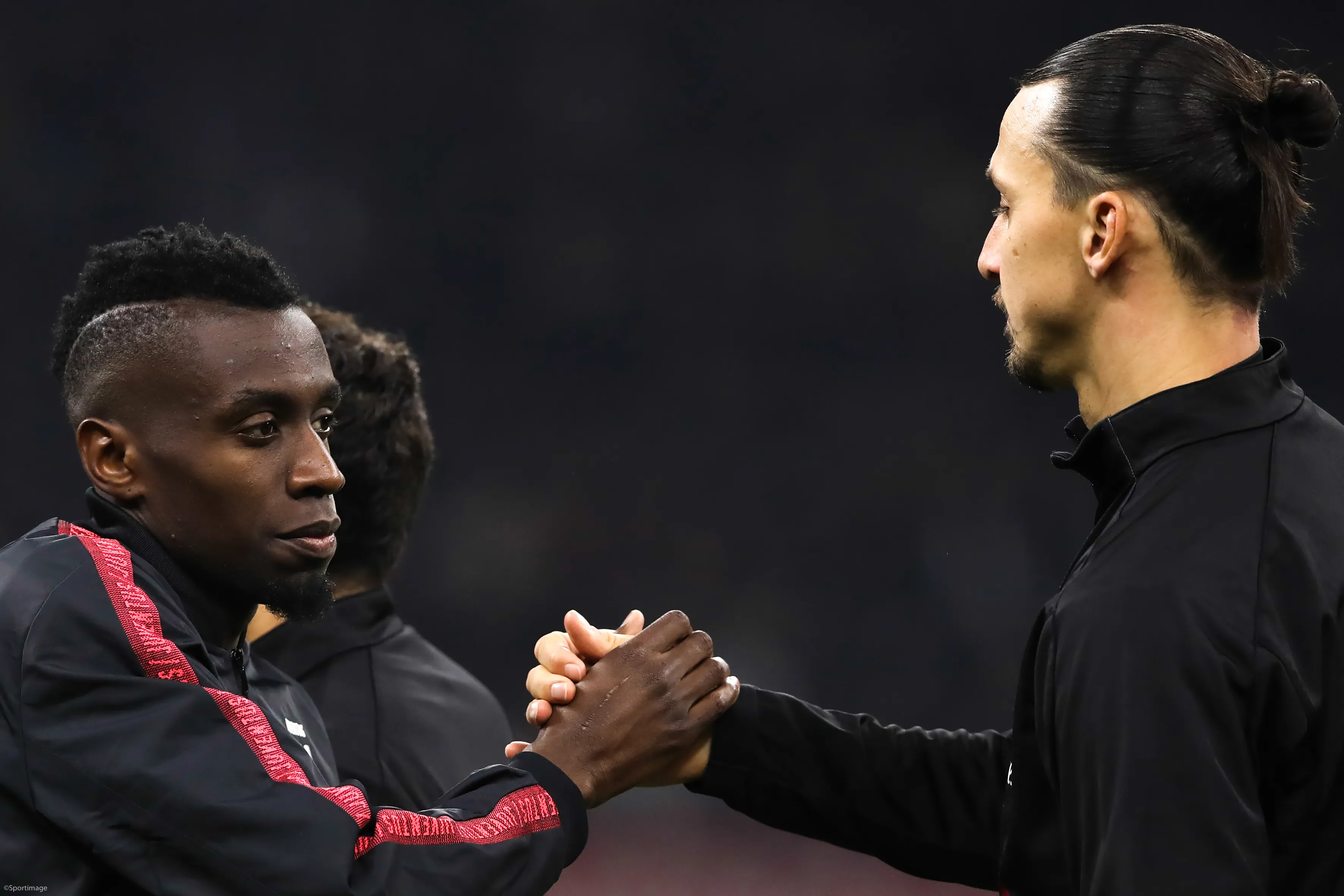
Matuidi’s role at Inter Miami CF was less about goals and more about control. In over 50 appearances, he averaged high ball recoveries and covered significant ground, often acting as the team’s tactical anchor. His understanding of space, pressing triggers, and defensive transitions — all hallmarks of his Ligue 1 formation — brought much-needed structure to a developing side. He showed that French midfielders don’t just survive in MLS — they organise it.
Denis Bouanga — The modern prime performer
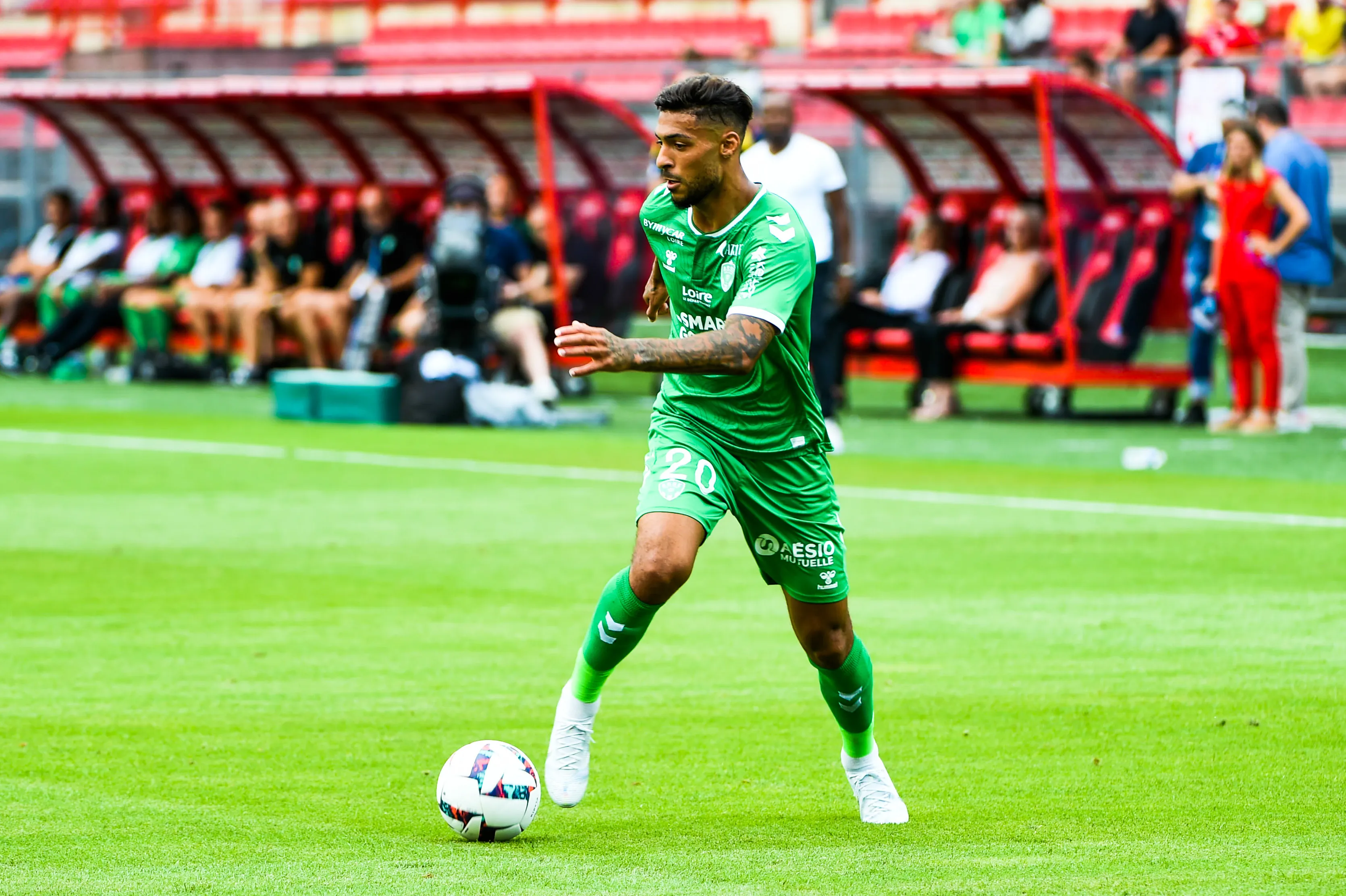
Bouanga represents the current evolution of the pathway. At Los Angeles FC, he has hit peak output levels, including a 20+ goal MLS season and consistent ranking among the league’s top scorers. His profile — explosive acceleration, vertical running, and high shot volume — is archetypal of Ligue 1’s attacking production line. Crucially, he is not a veteran export, but a player in his prime, underlining MLS’ growing competitiveness and appeal.
Lionel Messi — The global accelerant
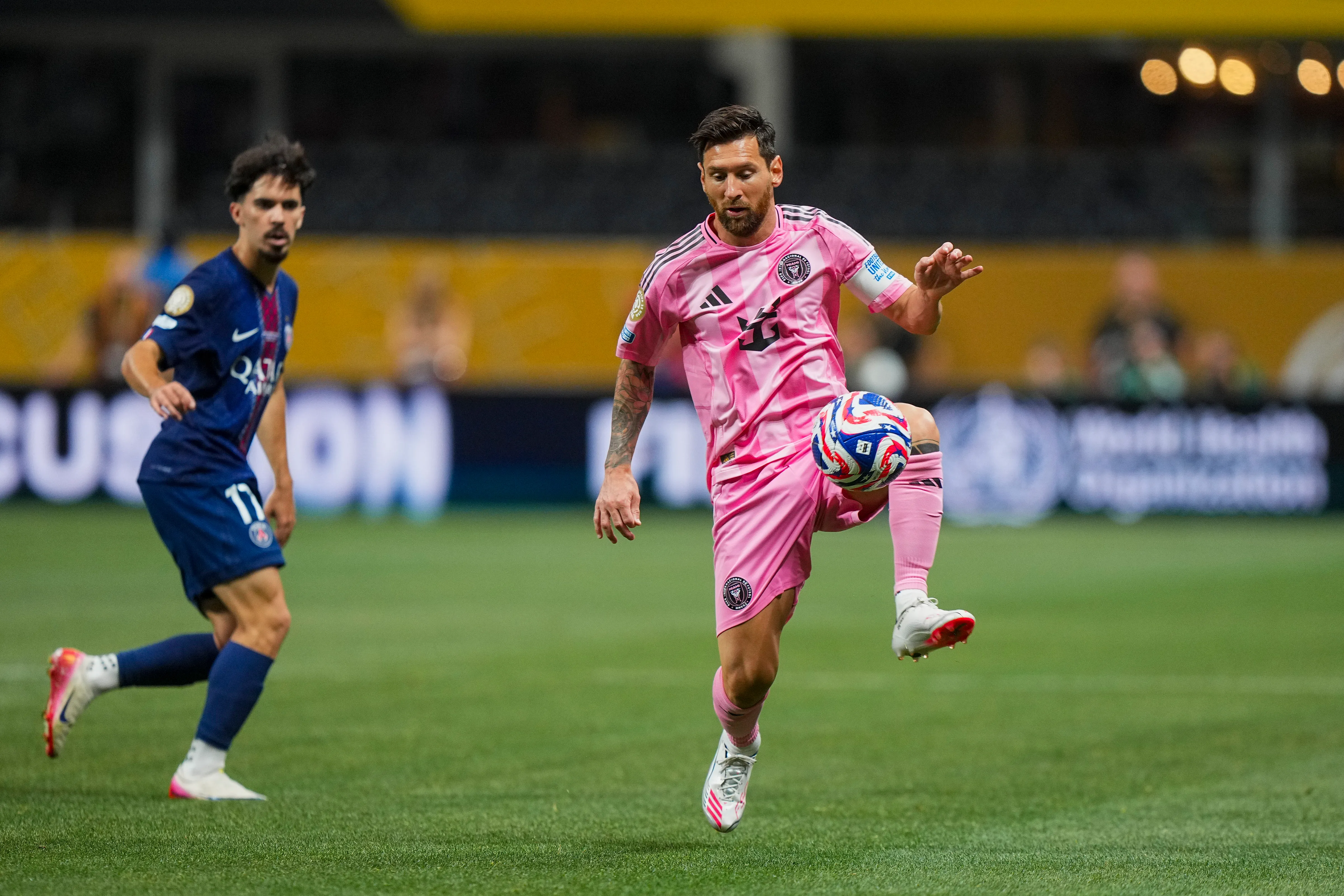
While not a Ligue 1 product in the traditional sense, Messi’s move from Paris Saint-Germain to Inter Miami CF adds a crucial layer to this relationship. With over 20 goal contributions in his first full MLS season, his impact has been both statistical and cultural. Messi effectively connects Ligue 1 and MLS at the very highest level of global football, accelerating visibility, commercial growth, and competitive credibility across both leagues.
That evolution feeds directly into France’s current situation. The March tour did not feel like an adaptation exercise because, stylistically, the overlap is already there. Ligue 1’s athleticism, verticality, and transitional emphasis mirror many of MLS’ defining traits — and the presence of players who have moved between the two leagues reinforces that link.
The timeline now accelerates. Deschamps names his squad on May 14, before players regroup at Clairefontaine around May 27–28, depending on domestic schedules and European finals. Two friendlies follow — Côte d’Ivoire in Nantes (June 4) and either Iraq or Bolivia in Lille (June 8) — before France return to the United States on June 10.
READ MORE:
>> Fanfare for Les Espoirs: A look at France's U-21s